Strategy 1: Partial Profit Taking (Scale Out)
This is one of the most beginner-friendly exit strategies.
How it works:
• Take partial profits at key levels
• Let the rest of the trade run with the trend
Example:
• Enter long in an uptrend
• Take 30–50% profit at the first resistance or liquidity area
• Hold the remaining position for continuation
Why this works:
• You lock in profits
• Emotional pressure drops
• You stay in the trade for bigger moves
This alone can massively improve consistency.
⸻
Strategy 2: Trailing Stop Loss (Let the Trend Pay You)
A trailing stop allows you to stay in the trade until the trend actually breaks.
Simple trailing method for beginners:
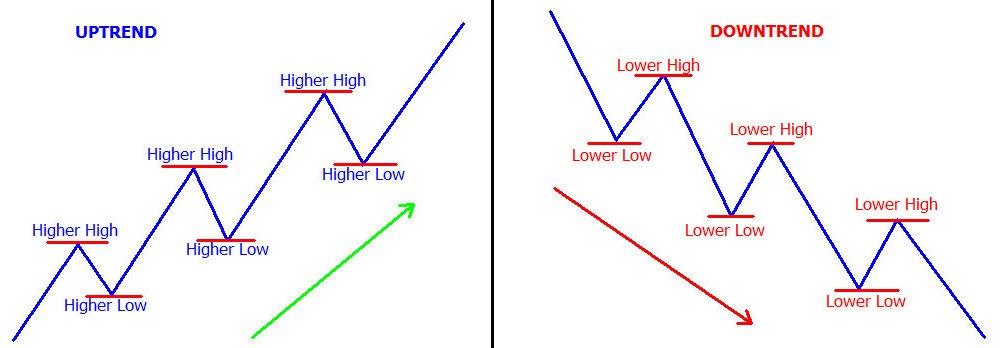
• In an uptrend → Move stop loss below each higher low
• In a downtrend → Move stop loss above each lower high
You’re not guessing tops or bottoms—you’re letting market structure decide when you’re wrong.
If the trend continues, you stay in.
If structure breaks, you’re out with profit.
⸻
Strategy 3: Exit at Key Market Structure Levels
Markets move from liquidity to liquidity.
Good exit zones include:
• Major support/resistance
• Prior highs or lows
• Strong demand or supply zones
Instead of randomly closing trades, ask:
“Where is the market likely to react?”
Plan exits before entering the trade. If you wait until price gets there, emotions take over.
⸻
Strategy 4: Time-Based Exit (Underrated but Powerful)
Not every trade needs to hit a big target.
If:
• Price stops trending
• Momentum slows
• Market starts ranging
It’s okay to exit simply because conditions changed.
Professional traders don’t force trades to work—they protect capital first.
⸻
The Golden Rule of Exits in Trending Markets
👉 Never try to catch the exact top or bottom.
Your goal is not perfection.
Your goal is consistency.
If you can repeatedly capture:
• 60–80% of a trend
• With controlled risk
• Without emotional exits
You are already ahead of most traders.
Final Advice for Beginners
• Plan exits before entry
• Scale out, don’t panic out
• Let structure guide your stop loss
• Accept that giving back a small portion of profit is normal
Learn to exit well, and your trading will improve faster than you expect. I hope this blog helps you better understand how to manage and exit trades with confidence.